



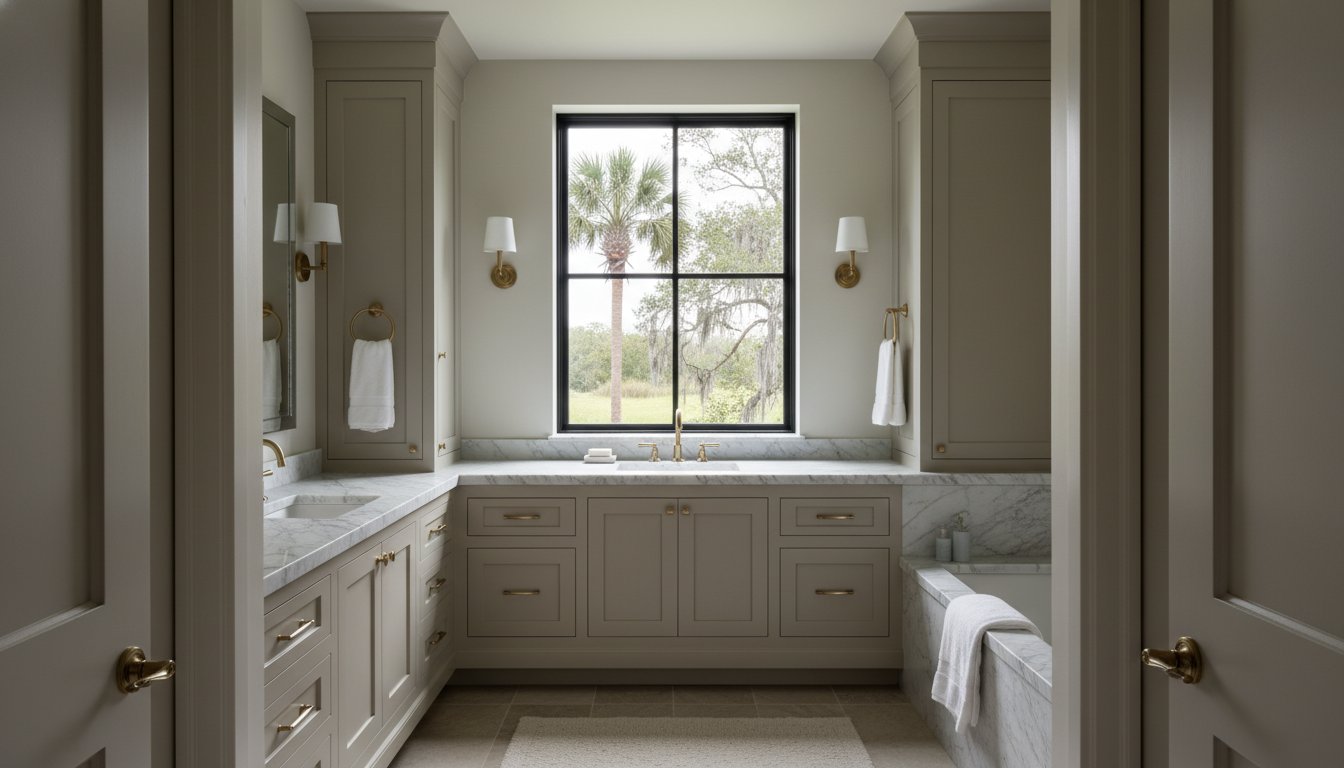
The assumption that a smaller footprint requires a wider lens is perhaps the most costly misconception in architectural media. When you're marketing a refined primary bath in Palmetto Bluff or a compact guest suite in a Sea Pines villa, the goal isn't to trick the eye into seeing more square footage, but to present the space with absolute clarity. Poorly executed wide-angle shots often result in distorted walls and a cheapened aesthetic that can alienate high-end buyers who value architectural integrity.
You likely recognize that a listing's first impression depends on visual honesty, yet achieving that balance in tight quarters remains a recurring technical challenge. By applying strategic real estate photography tips for small rooms, you'll learn to capture compact luxury spaces with the same precision found in boutique design journals. This guide explores how to maintain realistic proportions, leverage natural light, and use sophisticated composition to ensure every corner of a Lowcountry property reflects its true quality and craftsmanship.
Key Takeaways
• Shift your perspective from merely enlarging a space to capturing its architectural integrity and true spatial clarity.
• Discover why maintaining a focal length between 16mm and 24mm is essential when applying real estate photography tips for small rooms to avoid the wide-angle trap.
• Learn to utilize one-point perspective to create an editorial, magazine-quality look that resonates with sophisticated luxury buyers.
• Master the use of Lowcountry natural light and intentional shadows to add three-dimensional depth and texture to compact interiors.
• Understand how technical precision and architectural literacy in photography elevate a property’s perceived value and attract higher-quality referrals.
Beyond 'Making it Big': The Philosophy of Spatial Clarity
In the high-stakes luxury markets of Beaufort and the surrounding private islands, property value is rarely a matter of sheer volume alone. A masterfully appointed powder room or a compact, sun-drenched breakfast nook carries significant weight through its craftsmanship and material choice. For professionals representing these assets, the objective should be spatial clarity rather than artificial expansion. This philosophy prioritizes the viewer's ability to understand a room's architectural logic and texture without the distraction of optical distortion. It's about capturing the quiet elegance of a space as it truly exists.
The Problem with Traditional Real Estate 'Tricks'
Most entry-level marketing relies on a "make it look big" mandate. This often results in extreme wide-angle shots that warp door frames and make furniture appear unnaturally distant. It's a deceptive practice that creates a "funhouse effect," ultimately eroding trust with potential buyers. When a high-end client visits a property and finds the reality doesn't match the exaggerated imagery, the professional relationship suffers. Advanced real estate photography tips for small rooms prioritize architectural honesty over trickery. We shift the focus from simply selling a room to showcasing a lifestyle, where the intimacy of a space is viewed as a premium feature rather than a limitation. Discerning buyers recognize the difference between a cramped room and a curated one.
This philosophy of lifestyle-driven imagery is essential for historic properties like the San Antonio Story House, where the goal is to capture the home's 1929 charm and intimate spaces with clarity and elegance.
Spatial Clarity vs. Optical Illusion
Clarity is defined by the clean intersection of vertical lines, the soft fall of natural light, and a logical flow that the human eye can follow. Adhering to the principles of architectural photography ensures that the property's integrity remains intact. This approach respects the work of the architect and interior designer alike. By choosing a partner like Houzpics | Real Estate Photographers in Hilton Head, SC, Realtors position themselves as sophisticated experts who value realism over gimmickry. The photographer acts as a strategic collaborator. We capture the essence of a small footprint while maintaining the professional distance required for a refined brand image. Implementing strategic real estate photography tips for small rooms ensures that the listing's visual narrative remains credible and compelling for the most discerning buyers.
Mastering Focal Length: Avoiding the 'Wide-Angle Trap'
Achieving spatial clarity in a compact environment requires more than just backing into a corner. It demands a disciplined selection of focal lengths to avoid the wide-angle trap that plagues many entry-level listings. When implementing real estate photography tips for small rooms, the technical sweet spot usually falls between 16mm and 24mm on a full-frame sensor. Pushing wider than 16mm often introduces aggressive barrel distortion, where straight architectural lines begin to curve outward. This effect is particularly jarring in the historic homes of Beaufort or the precisely engineered custom builds in Bluffton, where structural precision is a key selling point.
Using these techniques helps maintain a realistic depth perception. When a lens is too wide, the distance between the foreground and background is artificially stretched. This leads to the "pincushion" effect in certain lens designs, making the center of the room appear to recede unnaturally. This technical restraint aligns with expert advice from the National Association of REALTORS®, which suggests that accurate representation is vital for building buyer confidence before they ever step foot on the property.
Choosing the Right Glass for Compact Interiors
Professional results often depend on the choice between prime and zoom lenses. While a high-quality zoom offers flexibility in tight quarters, prime lenses are frequently preferred for their superior sharpness and minimal distortion. Ultra-wide lenses, specifically those below 14mm, are rarely appropriate for luxury listings. They tend to exaggerate the size of objects closest to the camera, making a coffee table or a bathroom vanity look disproportionately large compared to the rest of the room. Maintaining a natural field of view ensures the viewer feels as though they are standing in the space rather than looking through a fish-eye lens. These real estate photography tips for small rooms are essential for preserving the sophisticated atmosphere of a coastal home.
The Technical Precision of Vertical Alignment
In architectural media, vertical lines must remain perfectly parallel. Any tilt of the camera, whether upward or downward, causes lines to converge, making walls appear to lean. This is often corrected using tilt-shift lenses, which allow the photographer to shift the optics to capture the full height of a room without tilting the camera body. While some perspective correction can happen in post-production, capturing it correctly in-camera preserves the highest level of image detail. Vertical integrity is the hallmark of professional property photography. For those seeking this level of technical precision, exploring professional property photography services is a strategic step toward elevating your listing's visual narrative.
Strategic Composition: Finding the Room’s Architectural Anchor
Composition in a compact space is an exercise in restraint. Rather than attempting to capture every square inch, the objective is to identify the room's architectural anchor. This is the point where the eye naturally rests, whether it is a custom vanity in a Palmetto Bluff cottage or a meticulously framed marsh view from a Hilton Head guest suite. By establishing a clear focal point, the photographer provides the viewer with a sense of orientation and purpose. Strategic composition transforms a potentially cramped image into a curated visual narrative. For professionals seeking luxury real estate photography, understanding these nuances is what separates a standard listing from an editorial-quality presentation.
Leading lines serve as the roadmap for the viewer’s gaze. In small rooms, these lines are often found in the transitions between flooring, the edges of built-in cabinetry, or the geometry of a window frame. When these elements are aligned with precision, they guide the eye through the space, creating a feeling of depth without relying on the lens distortions discussed in previous sections. This methodical approach ensures that the property’s character remains the primary focus.
The One-Point Perspective vs. The Corner Shot
The choice between a one-point perspective and a corner shot dictates the emotional resonance of the image. While many photographers default to the corner to maximize visible floor area, this can often result in a generic, "real estate" look that lacks sophistication.
| Composition Type | Primary Benefit | Best Application |
|---|---|---|
| One-Point | Symmetry, Editorial Feel | Powder rooms, symmetrical bedrooms, feature walls. |
| Corner Shot | Depth, Contextual Flow | Multi-functional guest rooms, hallways with views. |
Consider a Palmetto Bluff powder room. A one-point perspective, shot directly at the vanity, emphasizes the craftsmanship of the millwork and the texture of the wallcoverings. Conversely, a Hilton Head guest bedroom may benefit from a corner shot to show the relationship between the sleeping area and the coastal light from a side window. Both techniques are essential real estate photography tips for small rooms when applied with architectural literacy.
Height and Angle: The 'Chest-Level' Rule
Camera height significantly influences the perceived volume of a room. Shooting from a standard eye level often compresses the floor space, making the room feel shorter and more confined. Lowering the camera to approximately chest level, or even slightly lower depending on the furniture, creates a more grounded and expansive feel. This angle emphasizes the floor-to-ceiling relationship and allows furniture to appear more natural in the frame. It balances the ratio between the floor and ceiling, providing a stable, professional perspective that resonates with high-end buyers.
Natural Light and Staging for Spatial Depth
The intensity of coastal light in the South Carolina Lowcountry presents a unique set of challenges for architectural media. In a compact 10x10 space, the high contrast between bright Beaufort marsh views and interior shadows can easily overwhelm a standard camera sensor. Mastering real estate photography tips for small rooms requires a sophisticated approach to light management that preserves both the view and the interior detail. We prioritize tonal restraint and natural light over the aggressive, artificial "flash-and-burn" methods often seen in lower-end listings. This ensures the property's atmosphere remains authentic and inviting.
Lighting Techniques for Refined Interiors
Balancing exposure is critical to avoiding the "nuclear window" look, where the exterior becomes a featureless white void. A refined interior should showcase the property's relationship with its surroundings, whether it's a private garden in Bluffton or a waterfront vista in Hilton Head. Soft shadows define spatial boundaries without adding clutter. These subtle gradations of light provide the three-dimensional depth necessary to make a flat image feel immersive. By leaning into natural light sophistication, we maintain the architectural integrity of the home without resorting to overprocessed HDR effects.
Staging for Architectural Integrity
In a small room, every object carries significant visual weight. Staging with restraint is essential; a "less is more" philosophy ensures that the room's craftsmanship remains the focal point. Visual noise, such as excessive decor or bulky furniture, interrupts the clean lines that define a well-designed space. Removing these distractions allows the eye to travel freely, emphasizing the actual floor area and spatial volume. It's about curation, not just decluttering.
Strategic furniture placement should always prioritize the room's flow and architectural anchors. For example, pulling a chair slightly away from a wall can create a sense of breathing room that makes the entire suite feel more intentional. To ensure your listing is ready for this level of detail, we recommend reviewing our guide on prepping a home for a photo shoot. This preparation is the foundation of a successful visual narrative.
Color palettes also play a vital role in perceived volume. Neutral, light-reflective tones can expand the feel of a room, while darker, richer colors add a sense of luxury and intimacy. Understanding how these elements interact with Lowcountry light is a core component of our luxury real estate photography process. If you want to present your property with this level of technical precision, schedule your next session with our studio today.
The Lowcountry Specialist: Elevating Small Spaces into Luxury Assets
In the competitive landscape of the South Carolina Lowcountry, your marketing materials are a silent ambassador for your professional standards. Whether you're listing a refined cottage in Okatie or a historic gem in Beaufort, the visual narrative must exceed the expectations of a sophisticated audience. Beyond the technical application of real estate photography tips for small rooms, the value lies in having a partner who understands the local architectural vernacular. This is where Houzpics | Real Estate Photographers in Hilton Head, SC excels, transforming compact footprints into significant luxury assets through a lens of architectural literacy.
An architectural portrait differs from a standard listing photo by capturing the intent behind the design. It's not just about showing a room; it's about validating the craftsmanship that justifies a premium price point. This distinction is vital for maintaining the trust of high-end referrals from architects and interior designers. Our studio ensures that even the most intimate spaces are treated with the same reverence as grand waterfront estates, providing a cohesive and polished look across your entire portfolio.
Bespoke Media for the Luxury Market
Investing in professional property photography is a strategic move to protect your professional reputation. Our meticulous approach ensures that every small space is presented with the tonal restraint and spatial clarity discussed throughout this guide. This realistic representation builds immediate credibility with buyers from Savannah to Skidaway Island, ensuring that their first physical walkthrough confirms the quality promised in your digital marketing. By partnering with Houzpics | Real Estate Photographers in Hilton Head, SC, you secure a visual standard that validates professional referrals and attracts discerning clientele.
Next Steps for Your Next Listing
Elevating your property presentation requires a decisive, strategic partner. For a seamless experience, utilize the booking portal to schedule your upcoming shoot and view our full suite of services. For those looking to further immerse potential buyers, read our definitive guide to real estate videography to see how motion can complement your still imagery. By choosing a strategic rather than a purely technical approach, you ensure your listings consistently reflect the pinnacle of Lowcountry luxury.
Achieving Architectural Excellence in Every Detail
Presenting a compact space with absolute clarity requires a departure from standard marketing gimmicks. By prioritizing architectural honesty over artificial expansion, you ensure that every primary bath in Palmetto Bluff or guest suite in Beaufort reflects its true craftsmanship. Mastering these real estate photography tips for small rooms involves more than just equipment; it's a commitment to a refined visual standard that builds buyer trust. When technical precision meets strategic composition, the result is a listing that commands attention through its quality rather than its distortion.
Houzpics | Real Estate Photographers in Hilton Head, SC remains the dedicated partner for professionals who demand excellence in the Lowcountry luxury market. Our architecturally literate approach and sophisticated light management ensure your properties are presented with editorial-quality precision. We invite you to book your professional property shoot via our portal and experience the impact of a strategic visual narrative. Let's work together to elevate your next listing into a captivating asset that resonates with the most discerning clientele. Your properties deserve a presentation as refined as the lives lived within them.
Frequently Asked Questions
What is the best lens for photographing small rooms?
The ideal lens for a small room is a 16mm to 24mm full-frame equivalent. This range provides a wide field of view while preserving architectural integrity. Pushing wider than 16mm often results in barrel distortion that warps the property's true character. By sticking to this range, you maintain the realistic proportions that high-end buyers expect in the South Carolina Lowcountry.
How do I make a small room look bright without using flash?
Achieving brightness without flash requires a tripod and long exposure techniques to harness natural coastal light. This method ensures soft, realistic shadows that define spatial boundaries. It avoids the harsh, artificial "flash-and-burn" look that often flattens a room's texture. Using natural light sophistication allows the property's true tonal palette to shine through for a more inviting, editorial presentation.
Should I shoot from the corner or the center of the room?
The choice depends on whether you seek symmetry or depth. A center-aligned one-point perspective offers an editorial, magazine-quality feel that highlights specific architectural features. Corner shots are useful for establishing contextual flow between different areas. When applying real estate photography tips for small rooms, selecting the right anchor point ensures the viewer understands the room's logical layout and flow.
How do I avoid distortion when using a wide-angle lens?
Perspective control is the primary way to avoid wide-angle distortion. You must keep the camera perfectly level to prevent vertical lines from converging. Tilt-shift lenses are the professional standard for this task, as they allow for vertical correction in-camera. This technical precision prevents the "funhouse effect" and maintains the structural honesty of luxury residences in Bluffton, Hilton Head, or Beaufort.
What camera height is best for small interior photography?
A camera height of approximately chest-level is generally most effective for small interiors. This lower perspective emphasizes floor space and furniture relationships without making the ceiling feel oppressive. It provides a grounded, stable view that makes the room feel more expansive and intentional. Balancing the ratio of floor to ceiling is a hallmark of sophisticated architectural media and professional property presentation.
Can I use my iPhone for small room real estate photography?
While an iPhone is useful for social media content, it lacks the sensor depth and perspective control needed for luxury property presentation. Mobile lenses often introduce significant edge distortion in tight quarters. Professional gear allows for the use of specialized optics that maintain vertical integrity. High-end listings in private club communities require a level of precision that mobile devices cannot yet replicate.
How much staging is necessary for a small bedroom?
Minimal staging is necessary to ensure the room's architectural lines remain uninterrupted. In a 10x10 space, every object carries significant visual weight, so removing "visual noise" is vital. Focus on a few high-quality pieces that highlight the floor area and craftsmanship. This "less is more" approach allows the architectural merit of a Hilton Head cottage or Beaufort historic home to take center stage.
Why do my photos look different from the real room?
Photos often look different from reality due to extreme wide-angle stretching or over-processed editing effects. When a lens is too wide, it artificially expands distances, making objects in the foreground appear disproportionately large. These real estate photography tips for small rooms prioritize spatial clarity and realism. Maintaining tonal restraint and architectural honesty ensures the final image is a faithful portrait of the actual space.


