


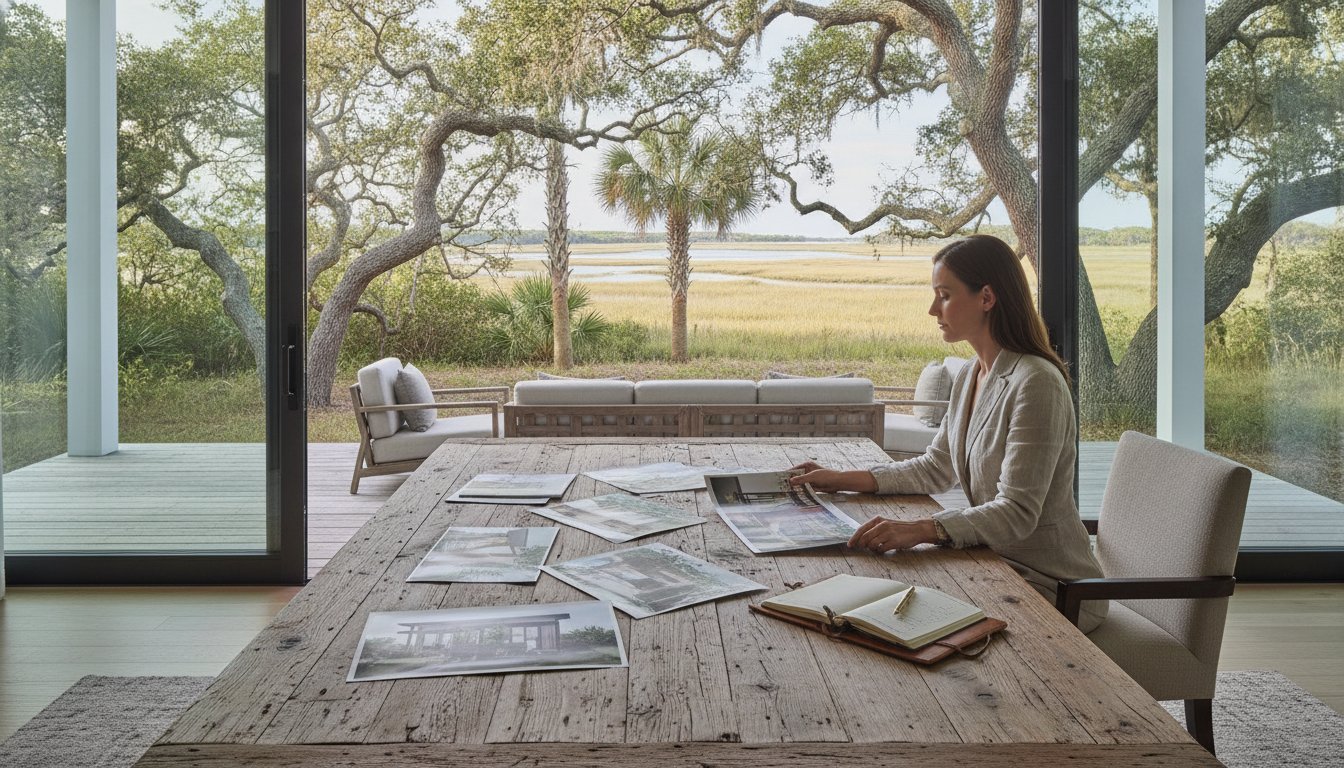
A luxury property listing is not merely a collection of data points; it is a curated editorial experience where the imagery provides the rhythm and the prose provides the soul. When you understand how to use real estate photos for marketing at an elite level, you move beyond simple documentation and into the realm of high-stakes storytelling. Many professionals struggle when their descriptions feel flat or disconnected from the vibrant, natural-light photography that defines a premium Lowcountry estate. It's a common frustration to see architectural integrity undermined by a narrative that relies on tired industry clichés.
We recognize that your reputation as a luxury authority depends on a cohesive presentation that resonates with high-net-worth buyers. This guide will show you how to synchronize professional architectural imagery with polished, technical descriptions to create a high-converting property narrative. You'll learn how to identify visual anchor points within a home and use them to build an editorial-quality listing. We will examine the specific techniques required to translate spatial clarity into a compelling lifestyle story, ensuring your marketing attracts high-intent interest and reinforces your status as a sophisticated market leader.
Key Takeaways
• Align your written narrative with high-end architectural photography to create a seamless, editorial brand experience for potential buyers.
• Master how to use real estate photos for marketing by letting your professional gallery sequence dictate the logical structure and flow of your property description.
• Translate technical craftsmanship and regional Lowcountry architectural styles into an evocative lifestyle story that resonates with high-net-worth clients.
• Optimize digital listings for maximum scannability using descriptive headlines that highlight luxury features while maintaining a sophisticated, restrained tone.
• Implement a final clarity check to ensure your prose is as meticulously curated as the property itself, removing verbal clutter to preserve the home's architectural integrity.
The Synergy of Visual and Verbal Architectural Storytelling
A luxury listing is a singular brand experience, not a disjointed collection of media assets. In the high-stakes markets of Hilton Head and Bluffton, a property's digital presence serves as the initial showing. When you master how to use real estate photos for marketing, you recognize that imagery and prose must function as a unified editorial piece. Sophisticated architectural photography captures the soul of a home, but it requires restrained, intelligent copy to maintain its professional credibility. If a vibrant, natural-light image is paired with exaggerated, clichéd text, the resulting narrative friction creates a sense of distrust in discerning buyers. They expect a seamless digital open house experience that respects their intelligence and reflects the property's true architectural integrity.
Effective marketing relies on the same Architectural photography principles that prioritize spatial clarity and tonal balance. Your written narrative should mirror these standards. By aligning your verbal descriptions with the visual cues provided by Professional Property Photography, you establish a baseline of expertise. This strategic partnership between sight and sound ensures that every element of the listing reinforces the value of the asset rather than distracting from it with unnecessary hype.
Why Feature-Dumping Won’t Sell a Luxury Home
Listing basic materials is a clerical task; presenting a valuable architectural asset is an editorial one. High-net-worth buyers aren't just looking for a tally of square footage or a list of countertop brands. They're seeking to understand the experience of the space. Architectural storytelling acts as the bridge between a digital first impression and a physical showing. Instead of merely stating that a room has "large windows," describe how the morning light interacts with the Lowcountry landscape. This shift from technical specs to experiential narrative transforms a standard listing into a compelling invitation, focusing on the craftsmanship and intentionality behind the design.
The Role of Realism in Modern Property Presentation
Trust is the most valuable currency in luxury real estate. Modern property presentation must be grounded in realism to remain effective. Sophisticated buyers are often deterred by overprocessed imagery, such as artificial purple skies or distorted wide-angle views. This same philosophy applies to your prose. Avoid the "unrealistic sky trap" in your descriptions by ensuring your words match the physical reality captured in the photos. When you understand how to use real estate photos for marketing properly, you prioritize visual-verbal consistency. Aligning written expectations with the natural light and authentic atmosphere of a professional shoot builds a foundation of transparency that leads to faster sales and higher offers.
Storyboarding Your Listing: Aligning Copy with Visual Flow
Effective storyboarding transforms a gallery into a journey. When considering how to use real estate photos for marketing, the sequence of your media must dictate the cadence of your copy. Start by identifying the primary emotional hook in your hero shot. This visual anchor should lead your written description. If the lead photo highlights a sweeping grand entrance, your first sentence shouldn't discuss the guest bedroom. Instead, let the image guide the reader's eye and your reader's imagination simultaneously. A logical flow ensures that the digital experience feels as intuitive as a physical walkthrough.
Letting the Hero Image Set the Narrative Tone
Your lead paragraph should act as a mirror to your strongest composition. In luxury marketing, the first 100 characters of your description are vital. They often appear in search results and mobile previews. Use this space to capture the essence of the home with professional verbs that reflect spatial clarity. Words like "commands," "harmonizes," or "extends" provide a sophisticated alternative to basic adjectives. This alignment ensures that the reader's initial mental image perfectly matches the professional visual. By syncing your opening lines with the hero shot, you establish a high-quality tone from the very first click.
While high-quality imagery captures the texture of a space, the copy must provide the technical pedigree. A photo might show a stunning floor, but the text identifies it as reclaimed heart pine or hand-scraped white oak. This adds a layer of craftsmanship that imagery alone cannot convey. Referencing Adobe's guide to real estate photography, we see that lighting and composition are key to highlighting these details. Your job is to name the materials that the light reveals, bridging the gap between sight and substance for the buyer.
Using Drone Perspectives for Site Context
Professional Drone & Aerial Imagery provides a perspective of scale that ground-level shots cannot achieve. In the South Carolina Lowcountry, the relationship between a home and its environment is a primary selling point. Use these aerial views to describe the property's proximity to the Calibogue Sound or the secluded privacy of a Bluffton club estate. Translate the visual of a sprawling lot into a narrative about quietude and neighborhood positioning. This links the "big picture" drone work to the specific lifestyle expectations of a private community buyer, emphasizing the home's place within the landscape.
Finally, use twilight imagery to transition into the evening narrative. These specialized shots are designed to showcase the home's entertaining potential. Describe the soft glow of copper gas lanterns or the subtle illumination of a zero-edge pool. By referencing the evening ambiance captured in these photos, you help the buyer visualize their life in the home after the sun sets. This comprehensive approach to how to use real estate photos for marketing ensures every frame has a strategic purpose in your sales cycle.
Crafting the Narrative: From Technical Specs to Lifestyle Experiences
Moving beyond the visual sequence, your narrative must adopt the language of architectural expertise. When you understand how to use real estate photos for marketing in the luxury sector, you realize that generic adjectives actually devalue a property. A Coastal Traditional estate in Sea Pines or a Lowcountry Contemporary home in Palmetto Bluff requires a description that matches its design pedigree. By identifying specific architectural styles, you validate the buyer's taste and confirm the property's status as a masterpiece. This approach transforms a standard listing into an editorial feature that resonates with sophisticated professionals.
Sensory language should be used to ground the viewer in the craftsmanship shown in your Professional Property Photography. If a photo highlights the grain of a reclaimed heart pine floor, the text should provide the historical or technical context. Use the Room-by-Room transition method to maintain momentum. Each paragraph should serve as a verbal gateway, leading the reader from the expansive public spaces into the private sanctuaries of the home, ensuring the digital walkthrough feels cohesive and intentional.
The Vocabulary of Luxury Architecture
The vocabulary of luxury is defined by precision and restraint. Swap exhausted terms like "beautiful" or "stunning" for "meticulous," "refined," or "captivating." When describing the natural light captured in a professional shoot, use technically accurate terms. For example, clerestory windows don't just let in light; they provide a continuous wash of natural illumination that preserves privacy while highlighting architectural joinery. Consider this sample description for a custom kitchen: The culinary suite centers on a mitered-edge marble island, illuminated by dappled light from the surrounding maritime forest. Custom rift-sawn cabinetry and integrated professional-grade appliances maintain a clean, minimalist profile that emphasizes spatial clarity.
Highlighting Lowcountry-Specific Assets
In the Hilton Head and Bluffton regions, the value of a property is inextricably tied to its relationship with the coastal environment. Your prose should emphasize the seamless transition between indoor and outdoor living spaces, a hallmark of high-end Lowcountry design. Describe how a vaulted great room extends naturally onto a tabby-shell patio or a screened porch with marsh views. This isn't merely a floor plan; it's a deliberate architectural response to the South Carolina climate. Highlighting regional assets like deep-water dock rights or private club memberships with an insider's perspective builds immediate credibility with high-net-worth buyers who prioritize architectural integrity and community values.
Just as coastal properties require a specific narrative, mountain estates demand their own specialized marketing approach; to learn more about selling luxury homes in the North Carolina mountains, visit NC High Country Real Estate.
Optimizing Structure for Digital Scannability and SEO
Sophisticated digital presentation requires a balance between editorial depth and functional scannability. High-net-worth buyers often preview properties on mobile devices during brief intervals, making the structural integrity of your listing as vital as the architectural integrity of the home itself. Understanding how to use real estate photos for marketing involves more than just gallery placement; it requires a layout that allows the reader to absorb key information quickly. By using descriptive headlines and categorized sections, you respect the buyer's time while reinforcing your authority as a meticulous professional.
Strategic keyword placement must feel organic to the narrative. When describing a luxury home in Bluffton, the phrase should serve as a geographical anchor within a discussion of regional architectural styles. This approach satisfies search engine requirements without compromising the refined tone expected by your B2B peers. To support the narrative, utilize bullet points to present technical specifications with precision. This format is ideal for highlighting data-heavy assets that are difficult to weave into prose, such as:
• Detailed acreage and site positioning within private club communities.
• Technical specifications derived from high-accuracy BIM scanning data.
• Specific structural materials, including slate roofing or impact-rated glazing systems.
• Energy-efficient integration, such as geothermal heating or smart-home automation.
The Power of the Descriptive Subheading
Descriptive subheadings act as a curated table of contents for the property. Instead of generic labels, use evocative phrases that mirror the home's emotional hooks. Titles like "A Culinary Sanctuary," "The Primary Retreat," or "Outdoor Living Redefined" categorize the home's assets clearly. This structure improves the mobile reading experience by breaking up dense walls of text, allowing the reader to navigate directly to the features that matter most to them. It ensures that the spatial clarity of your Professional Property Photography is matched by the organizational clarity of your writing.
Professional Call-to-Actions for Referral-Based Business
The closing of a luxury listing should feel like a professional invitation rather than a high-pressure sales pitch. In a referral-based ecosystem, your call-to-action is a reflection of your brand's sophistication. Avoid aggressive booking language; instead, invite interested parties to schedule a private showing or request a comprehensive architectural brief. To facilitate a seamless client experience, you can direct high-intent leads to a professional property portal where they can explore the full media suite in a distraction-free environment. Maintaining this strategic partner tone ensures that every interaction reinforces trust and highlights the meticulous quality of the presentation.
Final Polish: Ensuring Your Listing Stands Out in the Lowcountry
The final stage of a luxury listing is an exercise in meticulous quality control. You've already established the narrative flow and technical pedigree, but the final polish is where you separate a standard sales pitch from a high-end architectural narrative. Perform a rigorous consistency check to ensure your prose describes the exact physical reality captured in the imagery. If your professional property photography highlights the specific texture of a tabby-shell fireplace or the grain of reclaimed heart pine, your text must validate that craftsmanship. Discrepancies between what a buyer sees and what they read create psychological friction that can undermine trust in the entire offering.
Execute a clarity check to remove verbal clutter. Just as a professional photographer stages a room by removing unnecessary objects to emphasize spatial clarity, you must stage your prose. Delete redundant adjectives and industry filler. Your goal is to let the home's architectural integrity speak for itself. This disciplined approach to real estate marketing positions you as a strategic partner who understands that restraint is often more powerful than hyperbole. When you master how to use real estate photos for marketing at this level, you provide a cohesive experience that resonates with high-intent buyers.
The Professional Listing Checklist
Before a listing goes live, it requires a final round of technical scrutiny. This process ensures that your architectural literacy translates into a credible digital presence. Use the following points to verify the integrity of your presentation:
• Verify architectural terminology for accuracy. Confirm that terms like "clerestory windows" or "coffered ceilings" are used correctly to describe the home's specific features.
• Cross-reference photo captions with the main body description. The narrative cadence should remain consistent across all media formats.
• Ensure all community-specific amenities in Hilton Head, Bluffton, or Beaufort are highlighted with precision, particularly regarding private club access or waterfront rights.
• Collaborate with your photographer. Ask for their expert perspective on which architectural highlights deserve the most prominent placement in your copy.
Building Long-Term Authority Through Quality
Adopting a consistent editorial style is a long-term business strategy. In the competitive Lowcountry market, agents who prioritize quality and architectural literacy establish a brand that wins more high-end listings over time. By partnering with experts in luxury property presentation, you maintain a standard of excellence that reflects your professional growth and ambition. Quality is the only sustainable competitive advantage. A listing that respects the craftsmanship of the build and the intelligence of the buyer will always outperform one that relies on trendy buzzwords. This commitment to precision ensures that your marketing remains as timeless as the properties you represent, and for those managing high-end portfolios, Home Showings Property Management provides the professional residential oversight required to maintain that excellence over the long term.
Mastering the Art of Architectural Narratives
The transition from a standard property listing to a high-converting architectural narrative requires a deliberate synchronization of visual and verbal assets. By storyboarding your descriptions to match the professional gallery sequence and adopting an editorially literate tone, you establish a level of authority that resonates with Hilton Head’s most discerning buyers. Learning how to use real estate photos for marketing is not just about placement; it is about ensuring every technical detail and lifestyle nuance reinforces the property's inherent value.
Sophisticated marketing is a collaborative journey between the agent and their media partner. As a strategic partner in the South Carolina Lowcountry, Houzpics provides the spatial clarity and tonal restraint necessary to captivate high-net-worth audiences. Our expertise in coastal architecture and specialized drone imagery ensures your listings maintain the highest standards of integrity and precision. We focus on the outcome for your business, helping you secure contracts and expand your reach through meticulous quality control.
Elevate your next listing with professional architectural photography.
Trusted by Hilton Head’s top-producing agents, we're ready to help you transform every property into a compelling editorial experience that drives results.
Frequently Asked Questions
How long should a luxury real estate listing description be?
A luxury listing description should typically range between 200 and 400 words to balance editorial depth with digital scannability. While the MLS provides character limits, your goal is to create a refined narrative that guides the reader through the home's architectural soul. Focus on high-impact descriptions that justify the price point without overwhelming the mobile viewer with unnecessary filler or repetitive adjectives.
Should I use bullet points or paragraphs for my property description?
Employ a strategic combination of both formats to ensure maximum clarity and professionalism. Use polished paragraphs to establish an emotional connection and describe the lifestyle flow of the home. Reserve bullet points for technical specifications, such as acreage, high-accuracy BIM scanning data, or specific material lists. This structure respects the reader's time and improves the mobile experience by breaking up dense blocks of text into digestible sections.
How do I mention professional photography in my listing text?
Avoid explicitly stating that photos are professional; instead, let the sophistication of your prose validate the imagery. Use descriptions that provide technical context for what the camera captures, such as naming the specific species of reclaimed wood or the origin of the stone. Understanding how to use real estate photos for marketing means creating a seamless synergy where the text acts as a curated guide to the visual experience.
What are the best keywords for Hilton Head and Bluffton real estate?
Prioritize geographically specific and architecturally literate terms that resonate with high-intent buyers. Keywords like deep-water dock rights, Lowcountry coastal architecture, and specific private club community names are highly effective. Integrate these terms naturally into your narrative to build local authority. This approach ensures your listing attracts sophisticated professionals looking for specific lifestyle assets in Hilton Head, Bluffton, or Beaufort.
Can professional photos help sell a property that needs work?
Professional photography is essential for properties requiring renovation because it emphasizes architectural integrity and spatial potential. High-quality imagery captures natural light and structural proportions that a casual snapshot might miss. By focusing on the craftsmanship and the home's relationship with the Lowcountry landscape, you help buyers look past cosmetic needs to see the underlying value of the architectural asset.
How often should I update my listing description if the property hasn’t sold?
Review your listing every 30 to 45 days to ensure the narrative remains current and compelling. Seasonal updates are particularly effective in our coastal market, allowing you to highlight how the home's outdoor spaces or natural light patterns shift throughout the year. Refreshing the text prevents the listing from feeling stagnant and ensures there's no narrative friction between the current physical reality and the digital presentation.


